
ISRS Ambassadors Program

The ISRS Ambassadors Program aims to expand ISRS’s reach and impact worldwide by engaging dedicated professionals to promote the society’s mission, initiatives, and membership opportunities within their regions. ISRS Ambassadors play an important role as advocates for the society and will be formally recognized for their contributions.
2026 Ambassadors

Christos Boskos, MD
Dolores de la Mata Moya, MD, PhD, MPH
George K Bovis, MD
Josef Novotny, PhD
Manjul Tripathi, MD
Mihir Shanker, MD
Victor Lee, MD, PhD
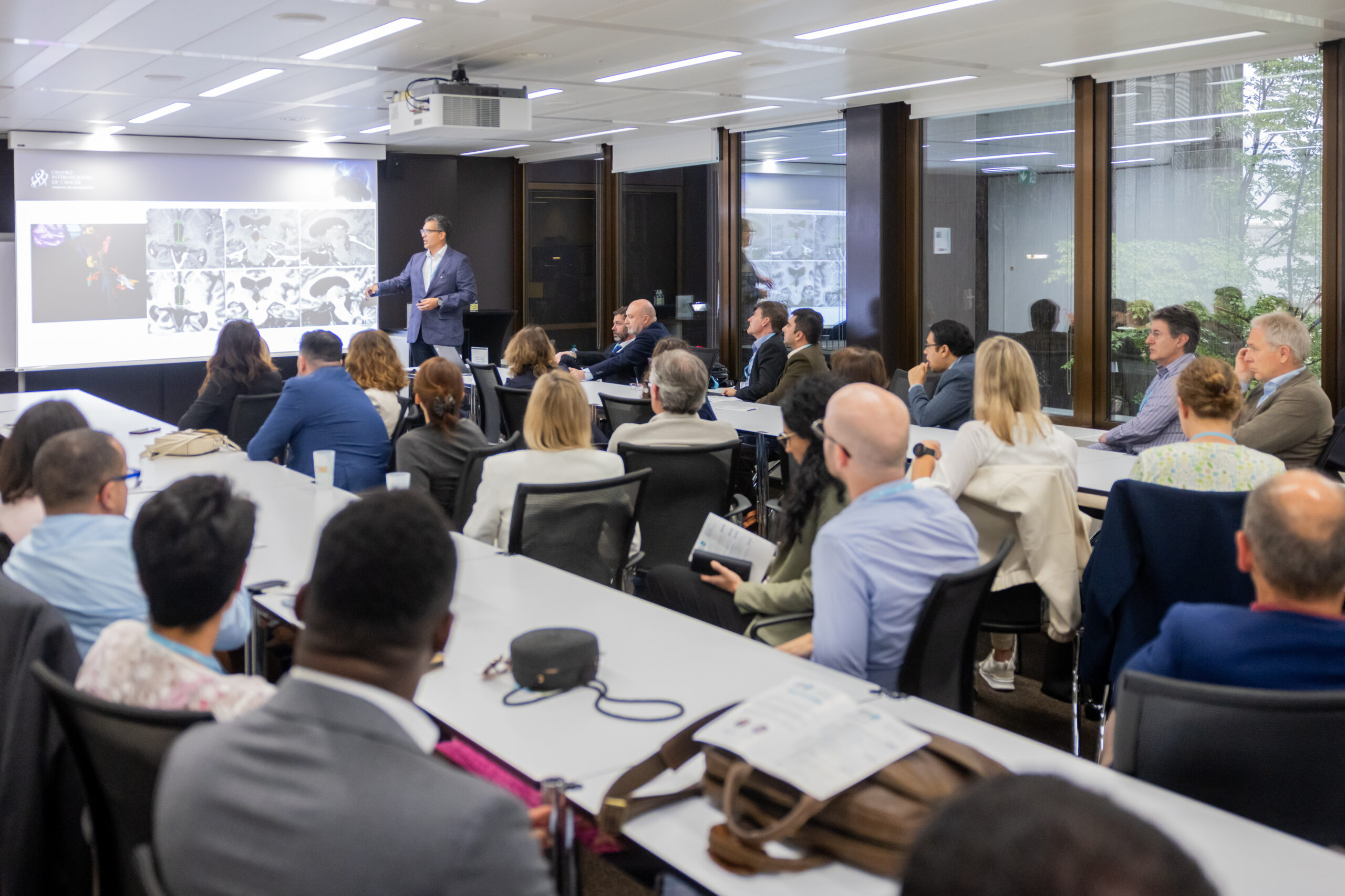
a group of ISRS members sitting together at a conference listening to a speaker

Program Duration

  • Ambassadors will serve a renewable one-year term based on performance and engagement.
  • An annual review will be done to assess contributions and provide feedback.

Essential Criteria

Applicants must meet the following criteria in order to be approved by ISRS Officers as an ISRS Ambassador:

  • Served as an Full ISRS member for at least the last 2 years
  • Demonstrated engagement with ISRS through participation in at least two of the following in the last 2 years:
    • Webinar presentation
    • Committee membership
    • ISRS Guidelines author
    • Certified Center active staff member
    • ISRS Congress and/or CNS Summit speaker or moderator
  • Demonstrated consistent engagement on social media and personal networks advocating for SRS, SBRT and/or related focal therapies

Note that an Ambassador should not be an ISRS Board member and cannot be a sponsor or employed by a sponsoring company of ISRS or have contractual obligations with ISRS.
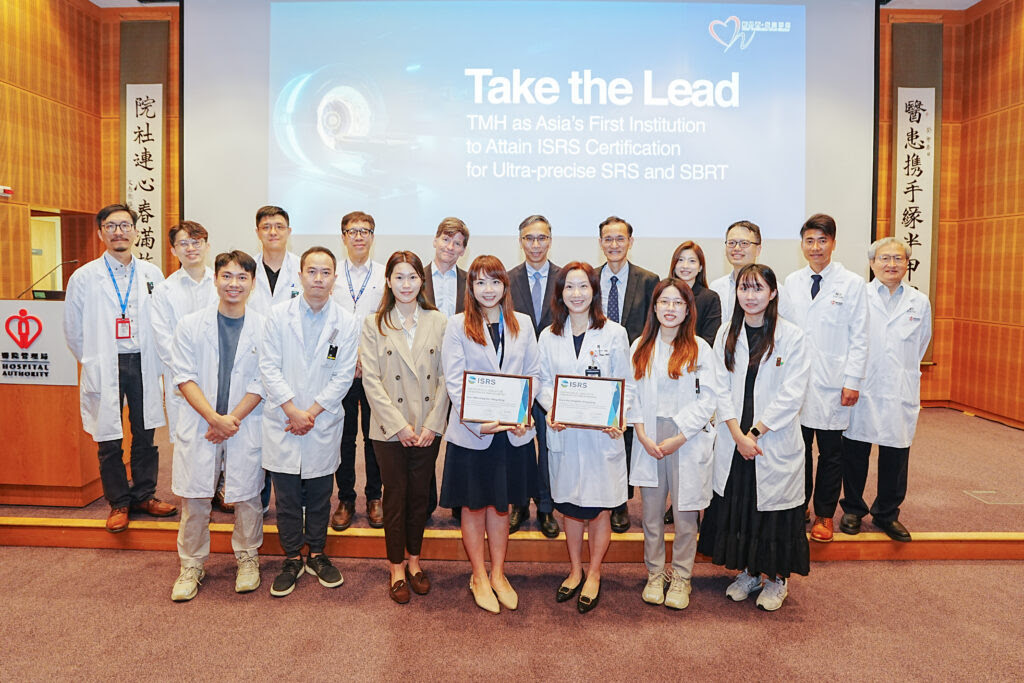
a group of people from an ISRS Certified center

Roles & Responsibilities

ISRS Ambassadors will act as liaisons between ISRS and their regional communities, fulfilling the following duties:

Advocacy & Representation
  • Promote ISRS activities, including the Congress, Summit, Webinars, Certification Service and Guidelines within their professional networks.
  • Represent ISRS at regional and local events.
  • Facilitate collaborations with other relevant societies and institutions.
  • Engage with the ISRS content (newsletters, website news, social media) by sharing and reposting information.
  • Actively promote ISRS membership benefits and encourage new sign-ups.
  • Gather feedback from local professionals regarding barriers to membership and share insights with ISRS leadership.
  • Organize informational sessions and discussions about ISRS.
  • Promote ISRS-related topics and initiatives at relevant regional events, workshops, and networking sessions.
  • Identify potential speakers and contributors for ISRS activities.
  • Assist in translating ISRS materials into local languages (where applicable).
  • Ambassadors will be asked to complete periodic progress reports on their activities, using a designated form.
    • These reports must be prepared in advance and will be reviewed and discussed during the quarterly Ambassador meetings with ISRS leadership.

Support & Resources for Ambassadors

ISRS will provide Ambassadors with:

Training & Onboarding
  • Orientation sessions on ISRS’s mission, vision, and key initiatives.
  • Ongoing access to ISRS leadership and committees for guidance.
  • Official ISRS-branded brochures, presentations, and digital content.
  • Social media templates for promoting ISRS initiatives.
  • Exclusive access to an ISRS Ambassadors Network to exchange best practices.
  • Opportunities to co-author regional reports, blogs, or white papers with ISRS.

Recognition & Incentives

To honor their contributions, ISRS Ambassadors will receive:

  • An official ISRS email signature.
  • “Ambassador” badge at the ISRS Summit / Congress & digital badge.
  • Certificate of recognition at the end of their term.
  • Featured profiles on the ISRS website and social media.

Please be advised that the application period has ended, and successful applicants will be contacted soon.

ISRS Ambassador

Note that ISRS Officers may terminate an Ambassador’s role if expected duties are not being met to satisfaction.

Professional headshot of Christos Boskos

Christos Boskos, MD

Radiation Oncologist
“…Being an ISRS Ambassador is more than just a title; it’s a commitment to representing, advocating for, and supporting the organization (ISRS) and the treatment (SRS) you believe in…”

Dr. Boskos is a radiation oncologist specialized in stereotactic radiosurgery and neuro-oncology, currently practicing in both Thessaloniki as Head of the SRS Department at St. Luke’s Hospital and in Athens at Iatropolis. 

He holds a medical degree from the University of Thessaloniki, a specialization in Radiation Oncology from the University of Athens, and a PhD in Radiation Oncology from the University of Athens. He also completed a Diplôme Universitaire in intracranial and extracranial stereotactic radiosurgery and stereotactic radiotherapy at Université Pierre et Marie Curie (Paris), as well as fellowships in stereotactic radiosurgery and proton therapy at Hôpital Pitié-Salpêtrière (Paris) and at the UCLA Radiosurgery Department (Los Angeles). 

He is the founder of the “Stereotactic Radiosurgery” Group and co-founder and Vice President of the Hellenic Neuro-Oncology Society, affiliated with ISRS since 2020. He is a permanent member of the Radiosurgery Board of the Greek Ministry of Health, regularly organizes and participates as an invited speaker in international SRS congresses and courses, and conducts research and publications focused on stereotactic radiosurgery for brain meningiomas and brain metastases. 

He is also highly active on social media through the “Stereotactic Radiosurgery” LinkedIn page and the website www.radiosurgery.gr.

professional headshot of Dolores de la Mata Moya

Dolores de la Mata Moya, MD, PhD, MPH

Chief of Radiation Oncology
“As an ambassador of the ISRS, my interest is to promote the dissemination and adoption of advanced radiosurgery techniques in Mexico—currently available in less than 5% of installed systems—strengthening not only technology, but above all the human and multidisciplinary training required to ensure safe, precise, and high-impact clinical treatments.”

Dr. de la Mata is Chief of Radiation Oncology at Centro Médico ABC in Mexico City, a position she has held since 2015. She was born and trained in Spain at the Universidad Autónoma de Madrid and the Universidad Complutense, and has advanced expertise in intraoperative radiotherapy (IORT), radiosurgery (SRS/SBRT), and molecular biology.

She is recognized as a pioneer in Mexico for the implementation of adaptive radiotherapy (ART), surface-guided radiotherapy (SGRT), deep inspiration breath hold (DIBH), and 3D HDR gynecologic brachytherapy.

Dr. de la Mata has authored multiple book chapters and has published widely in national and international journals and conference abstracts. She has held leadership roles within ALAIR and SOMERA and is currently a member of ASTRO’s International Research Committee, with a focus on developing and promoting new radiotherapy techniques across Latin America in Spanish.

Professional headshot of George K Bovis, MD

George K Bovis, MD

Neurosurgeon
“To me, being an ISRS Ambassador means having a platform to champion a treatment modality that offers patients safer and more effective therapeutic options for their neurological disease.”

Dr. Bovis is a board certified neurosurgeon with 26 years of clinical practice in Chicago. He completed both his college and medical school education at Northwestern University, followed by his neurosurgery training at Mayo Clinic in Rochester, Minnesota, and  his fellowship training in cerebrovascular and skull base at the Mayfield Clinic in Cincinnati, Ohio. 

Dr Bovis currently practices at Advocate Lutheran General Hospital, and holds academic appointments as Assistant Professor of Neurosurgery at both Rush University Medical School and Chicago Medical School, Rosalind Franklin University. 

He has authored over 100 peer-reviewed journal articles, book chapters, and academic presentations, and has been recognized with more than 40 professional and community awards.

He performed his first Gamma Knife Stereotactic Radiosurgery procedure in 1994, and has remained a committed champion ever since. Outside medicine, Dr. Bovis is an Archon of the Ecumenical Patriarchate (Order of St. Andrew), serves on the Greek Orthodox Metropolis Council of Chicago, and sits on the Board of the National Hellenic Museum.

Josef Novotny

Josef Novotny, PhD

“To be appointed as an Ambassador of the International Stereotactic Radiosurgery Society (ISRS) give me great opportunity to promote all ISRS initiatives and activities in my region and worldwide.”

Prof. Novotny started in the field of stereotactic radiosurgery more than 30 years ago. He has been involved in various clinical programs (intracranial and SBRT) and technologies (various versions of Leksell Gamma Knife, CyberKnife, Stereotactic Linear Accelerator) working mostly at Na Homolce Hospital, Prague, Czech Republic, UT Dallas, Dallas, Texas, USA and University of Pittsburgh Medical Center, Pittsburgh, Pennsylvania, USA. 

His academic work includes over 100 peer-reviewed papers, 15 chapters in books and participation in more than 10 research grants. 

He has also served as a member of the expert advisory panel involved in the development of the Leksell Gamma Knife Perfexion and Icon systems. For the past 25 years, he has been actively engaged in teaching, training, and leading clinical system start-ups for Leksell Gamma Knife platforms worldwide, having conducted approximately 150 system start-ups globally.

He has been organizing and teaching international courses for Leksell Gamma Knife for the last 10 years. As a consultant of Elekta Instrument AB Stockholm he has been involved in testing and validating new products from both hardware and software Leksell Gamma Knife development.

Dr Manjul Tripathi

Manjul Tripathi, MD

Neurosurgeon & Faculty Member
“Connecting high-precision radiosurgery with global equity.”

Dr.Tripathi is a faculty member in the Department of Neurosurgery at the Post Graduate Institute of Medical Education and Research (PGIMER), Chandigarh, India. A distinguished neurosurgeon whose career has spanned three leading institutions in India, he has a strong focus on stereotactic radiosurgery, functional neurosurgery, and neuro-oncology.

He currently serves as an Ambassador for the International Stereotactic Radiosurgery Society (ISRS) and is the appointed Chair of the Radiosurgery Section of the World Federation of Neurosurgical Societies (WFNS). His leadership roles also include serving as Secretary of the Indian Society of Stereotactic and Functional Neurosurgery (ISSFN), as an Executive Committee member of the Asian Australasian Society of Neurological Surgery (AASNS), and as a former Executive Committee member of the Neurological Society of India.

Dr Tripathi has made significant academic contributions, including delivering over 148 invited lectures and conducting extensive research, with 380 publications in Gamma Knife radiosurgery and other areas of neurosurgery. His academic excellence has been recognised through numerous honours, including the Best Mid-Career Clinician Award, multiple Best Research Paper Awards at PGIMER, MNAMS membership, and national recognition by the Government of India for his contributions to academic medicine and scientific communication. He was also invited to serve as a faculty member during the Neuroscience-20 (G20) Summit.

Beyond academics, Prof. Tripathi is deeply engaged in education, mentorship, and professional leadership. He has organised national conferences, chaired scientific programmes, and contributed to e-learning platforms in neurosurgery. His work reflects a strong commitment to advancing neuro-oncology and radiosurgery through innovation, evidence-based practice, and global collaboration.

Dr. Mihir Shanker

Mihir Shanker, MD

Staff Specialist Radiation Oncologist

Dr. Mihir Shanker is a Staff Specialist Radiation Oncologist at the Princess Alexandra Hospital, ICON Cancer Care, and the Gamma Knife Centre of Queensland, with a multidisciplinary background in medicine, biomedical engineering, and health informatics.

He has completed fellowships in Gamma Knife and stereotactic radiotherapy at the Gamma Knife Centre of Queensland and at The University of Texas MD Anderson Cancer Center.

He is an Assistant Professor at The University of Queensland Faculty of Medicine and is recognized internationally for his contributions to research, education, and clinical innovation in stereotactic radiosurgery.

Victor Lee

Victor Lee, MD, PhD

Chairperson and Clinical Professor
“I am honoured and humbled to be ISRS Ambassador and exhilarated to promote ISRS activities and events to Asian communities.”

Prof. Lee is currently Chairperson and Clinical Professor of the Department of Clinical Oncology, School of Clinical Medicine, LKS Faculty of Medicine, The University of Hong Kong. He also served as Assistant Dean (Assessment) of the LKS Faculty of Medicine, The University of Hong Kong from 2018 to 2024.

He graduated from The University of Hong Kong in 2002. After completing his postgraduate residency training in clinical oncology, he joined the Department of Clinical Oncology, Queen Mary Hospital, The University of Hong Kong as a Clinical Assistant Professor in 2008. He obtained his Fellowship of the Royal College of Radiologists in Clinical Oncology in 2010.

Following this, he received further specialist training in interstitial brachytherapy for head and neck cancers and sarcoma at Institut Gustave Roussy in Paris, France, and in novel radiation techniques such as stereotactic radiosurgery and stereotactic ablative radiotherapy at Stanford University, USA. In 2013, he underwent additional training in stereotactic body radiation therapy for liver tumours at Princess Margaret Hospital, Toronto, Canada. More recently, in 2015, he was awarded the HKCR 15A Travelling Fellowship and pursued subspecialty training in image-guided brachytherapy for cervical cancer and in paediatric oncology.

His current research interests include clinical and genetic studies on nasopharyngeal cancer, head and neck cancers, lung cancer, liver cancers and gastrointestinal cancers. He has published 270 peer-reviewed journal articles in these fields.